 Good book. Worth a few of your pennies and a bit of your time — it’s not a big read.

Good book. Worth a few of your pennies and a bit of your time — it’s not a big read.
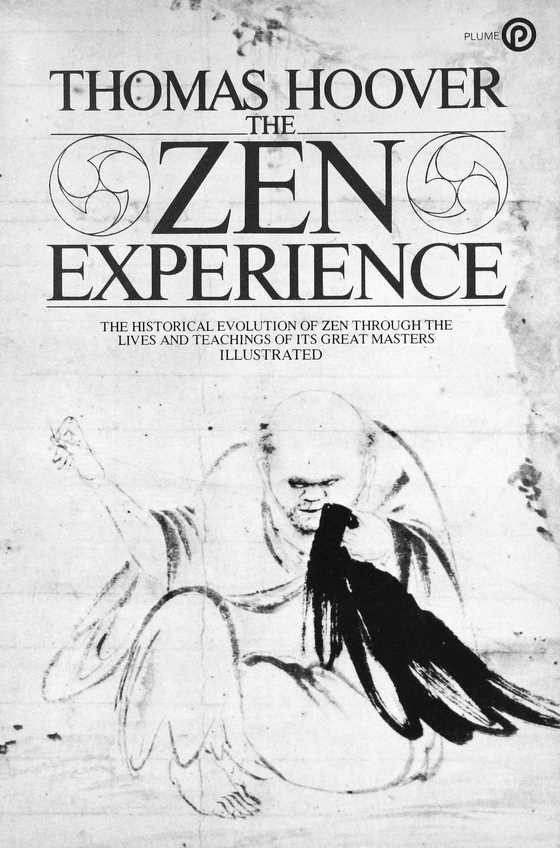 Been quite a while since i read this, but do remember it being a very interesting read on the history of Zen. It tells Zen’s full story through fascinating tales of its most influential masters of its various historical schools, all the way from its roots in India and into modern Japan.
If more people read about the history of the world’s religions instead of fighting over them the world would be a much nicer place.
 Another temporal sci-fi tale, which, like Temporal Contingency, Joseph does incredibly well — he just seems to have a way of avoiding the mind fucks that most sci-fi writers get you into with this sub-genre.
This short was originally available in the Orphans in the Black Anthology, then made available to Joseph’s Patreon subscribers and now also in the collection Paradoxes and Dragons.
 I read this some time ago before i started writing reviews — so its not exactly fresh in my mind. But i thought it would be a bit of a crime not to mention it on the website while i’m sorting through all my books, past and present.
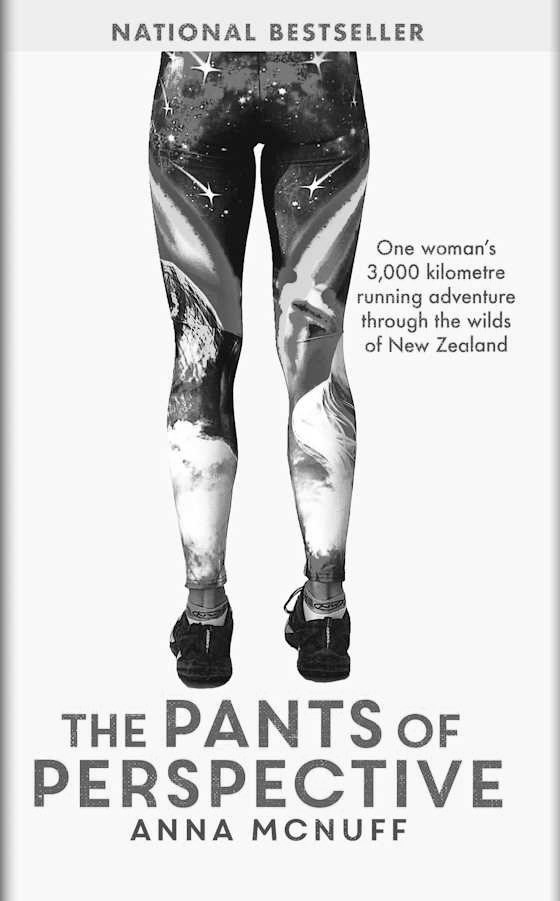
From what i remember: it’s a true tale about this half baked, mad scheme, with not very much planning, to run the whole length of New Zealand by a (perhaps completely mad) woman who’s not really physically up to the task. But, completely undeterred, Anna sets off from the very bottom of the South island and heads North on a crazy adventure in some leggings she really likes.
It’s a really good story, and one well worth a read whether you’re into running and/or endurance sports or not. Because it’s not about running or endurance sports, it’s about a journey, the people, the places, the ups and the downs, and it’s a wonderful journey to read about.
So, if you like unicorns, and you like leggings, and who doesn’t like unicorns and leggings, and even if you don’t like unicorns and leggings, give it a read sometime.
Click here for unicorn leggings over at Amazon, and go on your own adventure somewhere.
I refuse to make any comments about people who don’t like unicorns and leggings, i’m trying my best to keep the website nice, positive and happy.  xx
xx
 I thought i’d take a break away from the Vic Lit and dive into something a little more contemporary, and i wasn’t disappointed.
This one has only been sat in “The Pile” for just 4 months, so it’s jumped the queue by quite a bit (the other books will undoubtedly be feeling a little annoyed). I came across a really good review of this on social media and i took that as a message that it was time to read it.
So yeah, where to start with a review of this book. Well, the obvious one is, don’t read this if you’re a devout catholic. There’s a fair bit of catholic bashing in this book — which one might say is well deserved.
Mostly, this book is a criticism of the old ways of the catholic church and the sanctimonious, holier than though hypocrites who sit in self appointed, holy judgement over us heathens. And i must say, Joanne does a wonderful job of it, and some might even say, a much needed job considering the recent past.
All in all, a delightful story set in a small French village whose inhabitants were in desperate need of some good chocolate and an alternative view on life: other than the miserable one being suffered at the behest of aforementioned sanctimonious crowd with their church and priest in tow. And what better way of telling that story than setting up a chocolaterie directly opposite the parish church in the centre of the village.
I especially enjoyed the way Joanne alternates throughout between 2 completely separate protagonists’ narratives from 2 very different opposing protagonists, the chocolatier and the priest, and she makes that work really well, although it does make you pause a little when they swap over on occasion.
At the end the ultimate question of judgement has to be: am i going to read the next books in this series? Answer: as soon as i get a good price on them at Amazon i’ll definitely be adding them to “The Pile”. What hope is there for us book addicts as whenever i read one book off “The Pile” and all it does is inspire me to add three more books to it?
Did the book inspire to consume more cocoa products? No, i already consume too much already. #chocolatelove
Too many good writers and never enough reading time — or chocolate. All good fun though! 
 A rather enjoyable detective story set on a generation ship (which by their nature are always quite dystopian) carrying the last of humanity to a new planet after the Earth gets destroyed after finding itself in the path of a wandering black hole.
This was one of those books that i just flew through, which is always a good sign of how well something is written and how well it perks up my interest in it.
So yeah, all good, and there’s another two books to follow in the trilogy which i’m looking forward to.
The next book is Trident’s Forge.
 It’s been quite a few years since i read this — and, i might add, i immensely enjoyed it.
Since then Joseph has added quite a few novels and shorts to the series and you can find the whole series by clicking there.
 I read this quite some time ago, before i began writing a reviews, which is unfortunate but such is life. Anyways, since then i’ve read and reviewed ‘Ajax Penumbra: 1969’, which introduces the book store from a totally different perspective and gives a lot of background to ’24 Hour’. So i’d like to read this again one day straight after 1969, but i want to forget it all first and then start afresh.
It’s definitely a good book, that much i can remember.
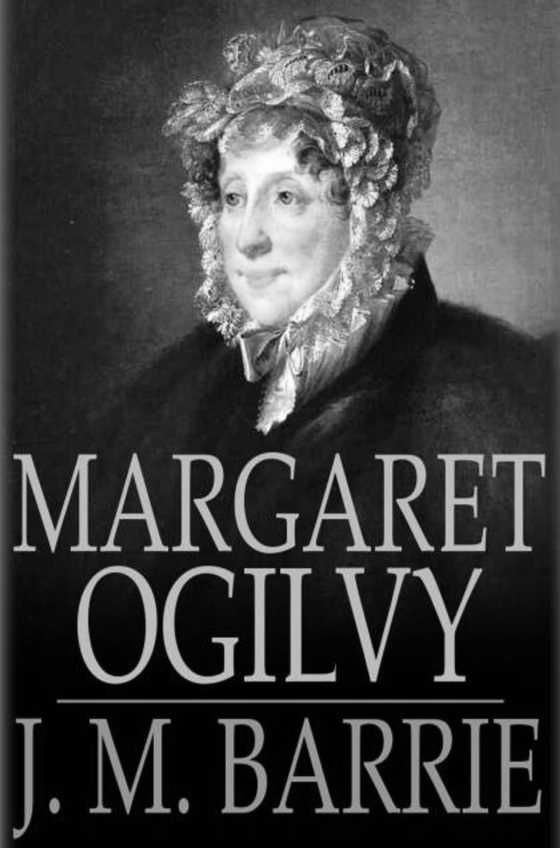 >Having just read The Little White Bird and Peter Pan, it struck me that there may have been a little more to the characters than at first appears.
The character of Peter Pan was based on James’ brother, David, who died aged 13 (so never grew up), leaving the 6 year old James having to try and fill his shoes for his mother. So it made me wonder who Hook was based on. At first i thought Hook represented the parents but having read this book i’ve totally had a change of mind.
I suppose the clue is in Hook’s first name, also James. The hand that gets cut off by Peter, a metaphor for the part of James’ childhood, and life, that was taken from him the day his brother died. The hand is then fed to the ticking crocodile that follows Hook around wanting to consume the rest of him because it likes the taste — so is this another metaphor concerning the inevitable ticking clock of life, and that James felt the loss of his brother was continuously haunting and wanting to consume more of him and his family?
Then there’s Wendy, which having read this book cannot be based upon anyone other than Margaret Ogilvy herself. He mentions in the book how after his brother died, other local women who lost children would come to her to talk. Again, Wendy and the lost boys — the lost boys representing the children of the other women who went to join his brother David in heaven (Neverland).
But all that aside, this book was a heartfelt view into James’ home life and very much his relationship with his mother — who he obviously cared about immensely — and is an absolute must read for all fans of J.M. Barrie’s writing. The book also covers James’ early literary career and what made him want to become a writer. So a very worth while read.
So what’s next? After 3 books in a row, i’ll be taking a literary break away from Peter Pan, Neverland and J.M. Barrie as i’ve got a load of books on “The Pile” nagging to get read. But i’ll definitely be coming back to these three topics in my reading in the not too distant future.
Some more “Peter Pan and Neverland” books.
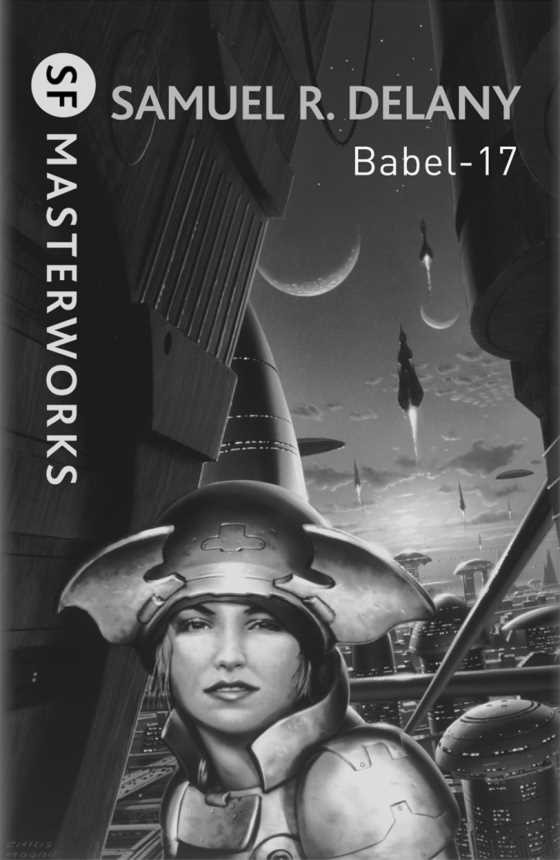 One of the most imaginative sci-fi novels i’ve ever read.
I only bought it because i was looking for a book i read about 30 years ago that i can’t remember the title of and thought this may have been it, but it wasn’t. But i’m certainly not disappointed to have picked up the wrong book.
There’s all kinds of sub-genres in sci-fi and i’m not really sure where this one would fit. It’s mostly a deep dive into linguistics, as in how words and language are used and the meanings they convey, and Samuel does a wonderful exploration throughout the book.
It also takes in the future body modification — some interesting things going in this book, and does bring to mind some amazing potential within current science for the future body mod industry. The real future is certainly going to be interesting.
Anyways, well worth a read, and definitely worth it’s place in the “SF Masterworks” series.