
 The Culture’s “Contact” section send The Culture’s greatest game player to an empire that is totally constructed around the playing of one game. Where everyone’s social standing, career, political involvement and status is determined by the results of their playing of the game.
The goal being to totally destabilise the empire from within.
Will it work?
A rather unusual sci-fi novel, but really, really good. I couldn’t put this one down.
Next up in The Culture series is The State of the Art.
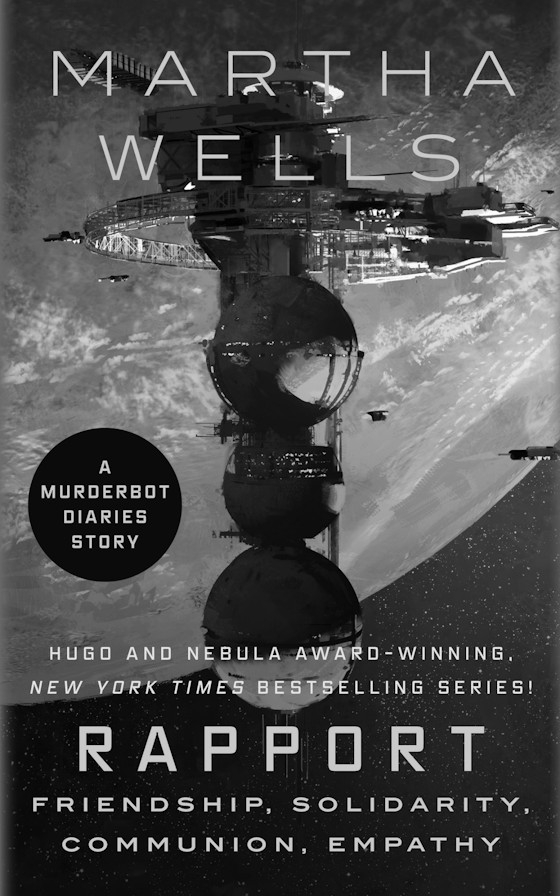 This is a Perihelion story, not a Murderbot story. You may remember that Perihelion is ART’s real designation and most humans call him Peri.
I thought it was quite nice to have a get to know a little more about ART/Peri when Murderbot isn’t around.
A fun little short story, and really looking forward to more books in this most awesome series.
 I finally dived into The Culture series, and what, you ask, did i think of the first book?
Well, to be honest, it was rather a long, long winded affair that seemed to sprawl on and on while bringing nothing much to the story.
We also had a huge pacing issue. Why, oh why, do writers suddenly get all descriptive and feel the need to waffle on about every nut and bolt holding doors on and stuff during fight/action/battle scenes? This is the sort of thing an editor should pull up and throw the manuscript back at the writer for. What should have been a great, final battle between our protagonists and the Idirans, flies by on the passages that would take ages in the real world while finding ourselves wading through pages of completely unnecessary waffle when all the action starts kicking off, taking ages to read through scenes that would last a minute or two, at most, in the real world.
Annoyingly, there does appear to be a very good story behind all the poor writing, and . . .
. . . so, having trudged through all that, i feel i’m losing myself to a sunk cost fallacy as i’ve started to read The Player of Games in the hope that it’ll somehow be much better written — we shall see.
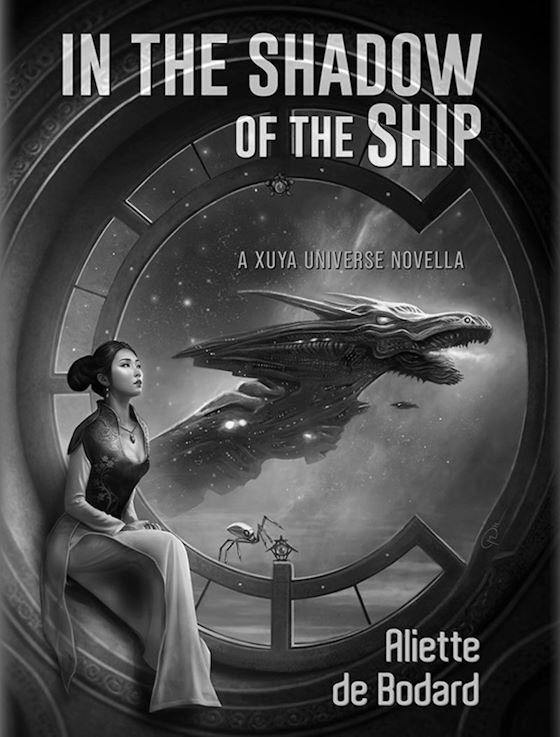 A magistrate from the Empire returns to the old, worn-out mind-ship she grew up on for a funeral.
We slowly get to know why she left and what she’s going to do about it now that she’s back as a magistrate. Also at large is another mind-ship that the Empire has sent to fix things, can they work together, will things be fixed?
Another good Xuya novella for all you Xuya fans to get into.
 Another little Xuya story about one of the people who have access to the virtual overlays of all those on board one of the mind-stations. Imagine if you could look where you shouldn’t, but you wouldn’t, unless you let your guard down.
You can find this in the anthology, Chasing Shadows.
 What if everyone else gets killed and the habitat mind on the planet decides it’s going to keep you there and never let you go?
Another interesting little Xuya short for those of us who are totally into the universe. You can find it in the anthology, Extrasolar.
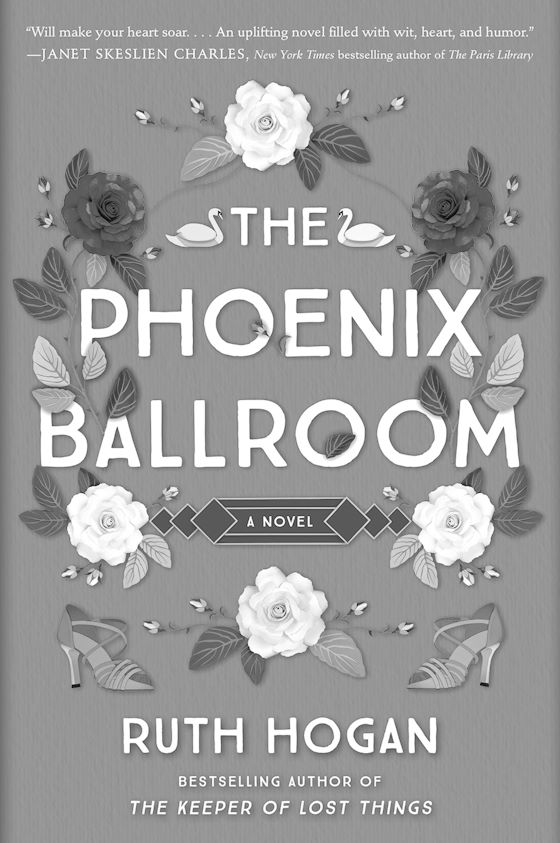 I got a little bit worried at first, like Ruth had written a book for teenagers, but the story slowly gets going and more grown up as we get into it.
While i enjoyed reading it, i don’t think it’s as good as previous books. I just didn’t connect with the characters as much. That might be down to me not being very well at the moment — i’m at home recovering from a rather serious time in hospital — and i’m finding a lot of things hard to focus my mind and thoughts on at the moment.
That said, i am looking forward to reading Ruth’s next book, The Light a Candle Society, which i think i will leave until i’m feeling a bit more myself.
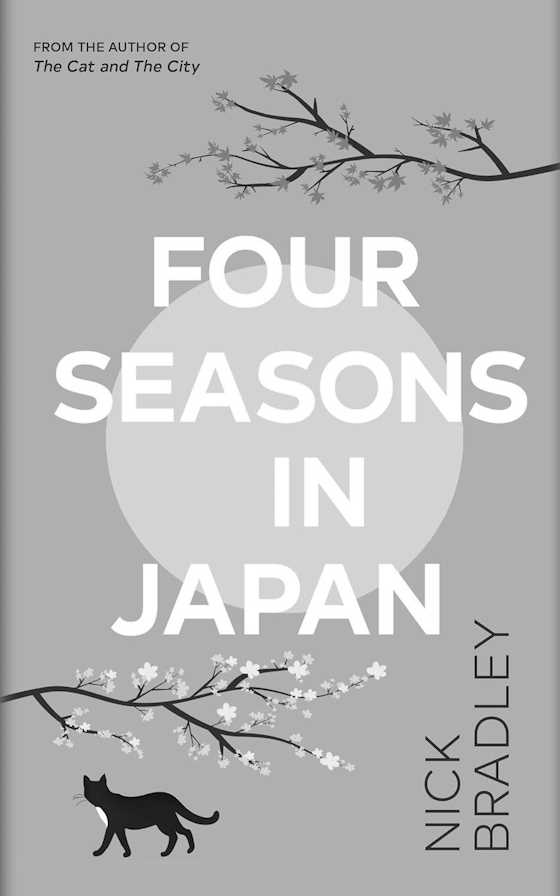 I went into this hoping for another great read similar to The Cat and the City — which i really enjoyed — but found something totally different.
While some of the story is set in Tokyo, gone is the portrayal of the giant, oversized metropolis of Tokyo, and we spend a great deal of our time in rural Japan. On the one hand we have Flo, the American translator living in Tokyo. who finds a book about Kyo, a young man also from Tokyo, who is sent to live with his grand-mother, Akayo, in the small-town countryside to attend cram school for a final chance of getting into university to study medicine. Flo, who is at a loose end is hooked on the story and begins to translate it.
For myself, having moved to small town Devon from the East-End of London some years ago, i found Kyo’s experiences rather similar to my own: the culture shock and having to learn to slow down to a whole different pace of life away from the rat race, away from the concrete jungle to places with horizons, away from the spoon fed safety of modernity to taking some responsibility for your own well-being. But, the story is more than this, it’s also about Kyo and Akayo’s journey towards each other and the contrast between a Japan being left behind and a modern Japan accelerating into the future with no care to slow down and look at what is being left behing — are these two worlds reconcilable?
The story bounces back and forth between Kyo’s story and Flo’s life, as she comes to terms with her own issues and her life in Japan.
Another good read from Nick.
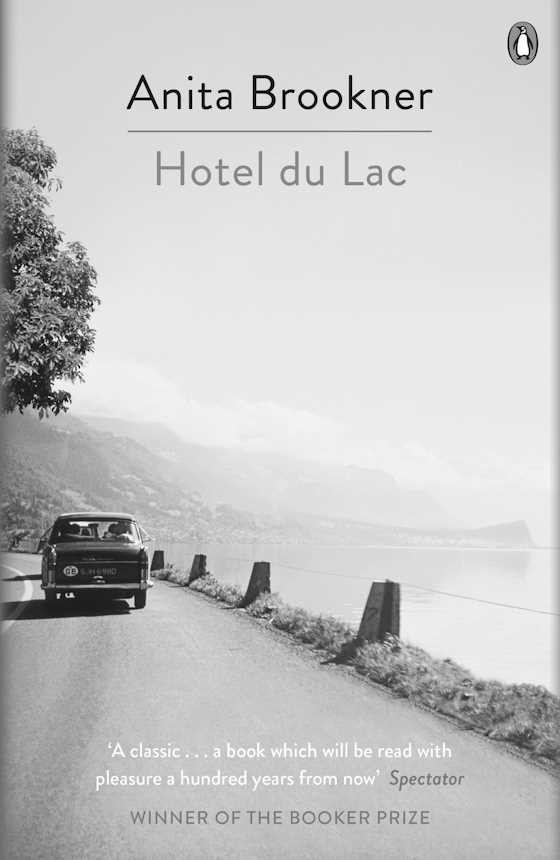 If you like those books where the protagonist spends nearly all their time people watching then this might be for you.
On top of the people watching, our protagonist, Edith, is also a writer of romance novels but never seems to have found any joy, or success, in relationships within her own life. Edith thus ends up at the Hotel du Lac during the final weeks of the season with the few remaining guests because she’s screwed up her latest relationship and had to run away while she waits for the scandal to die down and she can return home.
The book essentially goes from monologue to monologue (with the occasional conversation), some are Edith’s thoughts on the other guests, some are letters she writes to her lover, and it’s within these monologues that we are given a wonderful look at people, their lives, their relationships, their pretences and, essentially, their pointlessness. Lots of food for thought if you wish to do some thinking about it.
