Lynne has managed to take a rather dull and tedious subject — that of punctuation — and made it interesting and fun to learn.
Yes, it can come across as nothing but a curmudgeon having a rant, but it’s an intelligent curmudgeon having an amusing rant that is very educational.
We are now in an age where the written word is being used more than any other time in history to communicate; most people barely talk any more, preferring to text, or email, rather than pick up the phone or visit in person. At no other time in history has the correct meaning and interpretation of the written word been more important, while punctuation, which gives the meaning and interpretation to the written word, is so utterly neglected and misunderstood.
Yes, punctuation is important, and while some of it is art, a lot of it is not:
… is there any art involved in using the apostrophe? No. Using the apostrophe correctly is a mere negative proof: it tells the world you are not a thicko.
Whether or not you think your punctuation could use a little housekeeping, this is a fun and interesting book to read and you will learn a few things while reading it: well worth it!
It was free and i thought that there may have been something in it worth reading.
I felt that the first half of the book was quite good and gives the reader some interesting points to consider, but then, about half way through the book, he started babbling on that the universe is governed by some divine omnipotent being that knows what its doing — like WTF!!!
And then the book just goes downhill from there as i will always just switch off once someone starts creating gods to support their spiritual point of view — and attempting to disguise this god in spiritual mumbo jumbo speak just made it worse for me.
It’s like the first half is there to draw you in before springing his divine-being trap upon you, and then spends the last half of the book running around in circles, repeating himself, trying to justify something or other.
Like i say, it was free and you may find something worth while in it, but i certainly wouldn’t suggest paying for it and i won’t be reading anything else by Nirmala as i don’t do god grovelling.
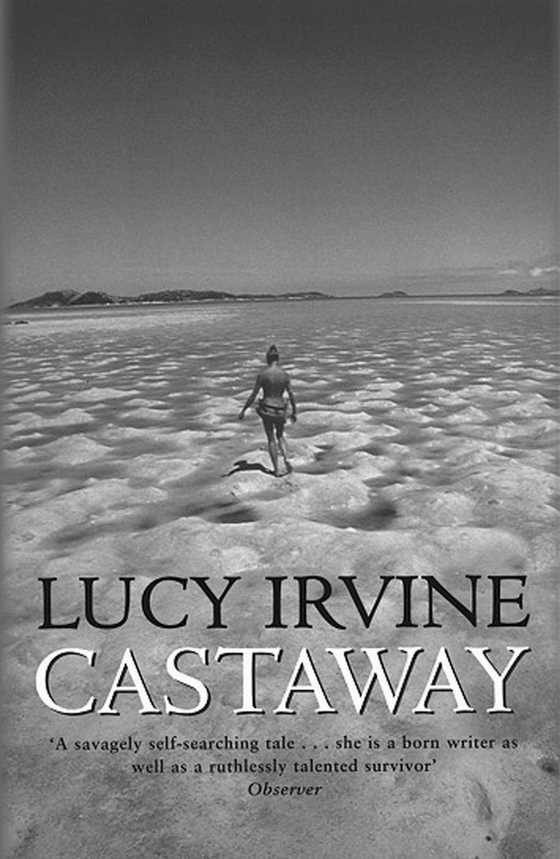
A very well written book that’s let down completely by whoever converted it into Kindle format.
As Lucy tells the story of her year on Tuin with G, she intersperses it with excerpts from the diary she wrote while on the island. For some reason, the person who converted this book decided that the diary excerpts would be published in a print size that is so small it’s illegible, so one has to keep stopping and greatly increasing the font size for the diary excerpts and then reducing it back to normal for the rest of the writing. You spend the whole book yoyoing font sizes in this way. I have no idea why anyone would publish a book in this way, it isn’t clever, it isn’t artistic, it’s crass and completely ruins a good flowing read.
Ok, rant over, all the yoyoing aside, the writing is incredibly candid and Lucy really does bare it all.
Anyone familiar with Chris McCandless’ story from Into the Wild will be aware of how much negativity and lambasting that Chris received posthumously for his stupidity and unpreparedness. The only difference between Chris in Alaska and Lucy and G on Tuin is that Lucy and G were lucky enough to be rescued by the kindness and generosity of their Torres Straight Island neighbours, and that the poisonous beans that Lucy stupidly ate just made here incredibly sick for a couple of days and didn’t kill her. Yet those who survive against the odds, purely by the miracles that appear when least expected, are labelled as successful, applauded and celebrated while those whose miracle fails to show are labelled as idiots, lambasted and possibly given a Darwin Award. But hey, at least both kind get films made about them.
I could get into a full on judgemental view of Lucy and G’s behaviour, attitude and outlook, both positive and negative, but i won’t. Some might read this book and side with Lucy, some might side with G, and some might think both are as bad as each other.
All that aside, if you enjoyed Into the Wild, then you may find this just your cup of tea.
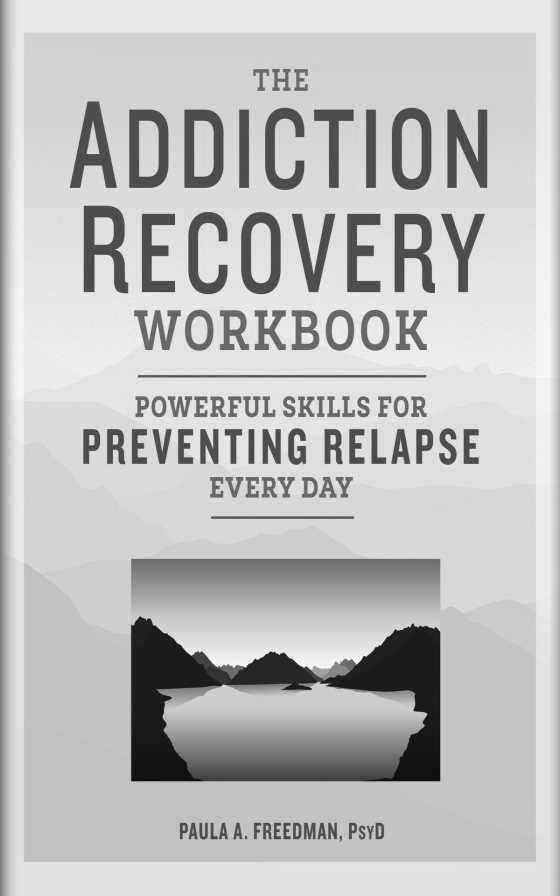
For 99p this grabbed my curiosity. It’s been over 5 1/2 years since i quit smoking, over 2 years since i quit alcohol, but i keep hold of a few nagging little addictions — like too much cocoa/chocolate/coffee and vaping — which i keep trying to rid myself of but keep finding myself back at. So i gave this book a go with an open mind.
It certainly made me re-think a lot of things about addiction, especially my previous love of alcohol. And it’s also given me some ideas on moving forward with my life from here and next steps i might take.
It’s difficult to judge how much value any of these addiction books will be to anyone. It all depends on the addiction, the reason, the circumstances, the too many variables of life to mention. But i do think there’s something in this book for most people who are wanting to deal with one or more of their addictions.
It’s approached well, the beginning of the book being about wanting to quit and preparing to, then moving onto actually quitting in the middle of the book and finally to post addiction life.
So for 99p in a Kindle deal, i think it was a really good bargain. I certainly got a lot out of it, and if you are serious about getting sober and off your poison then give it a read. No, not all of it will speak to you, but read enough books like this and do a pick and mix of ideas and techniques from each of them that work for you and you to can soon be on the road to a life without addiction — if you really want to.
At the end of the day, it’s up to you. Reading any book on addiction recovery can only help so much, it’s you that has to really want it, and if you do then books like this will have some good help and advice for you.
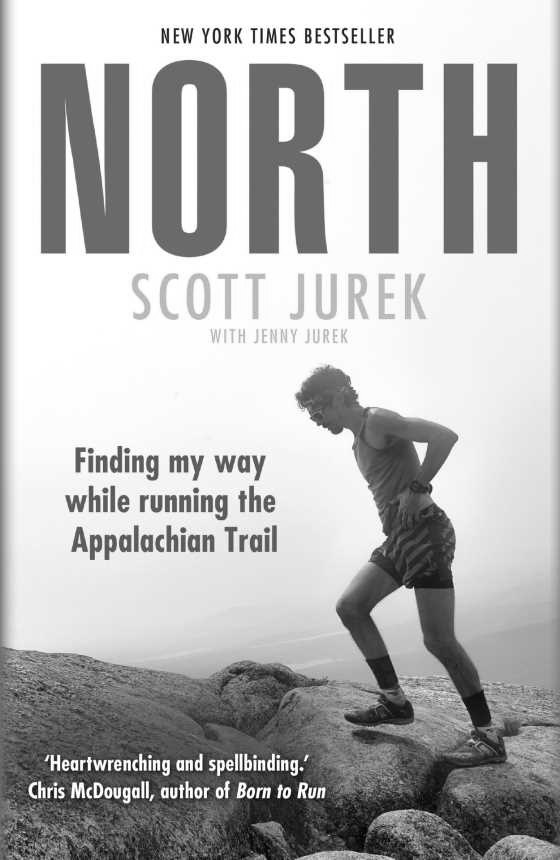
I really enjoyed reading Scott’s earlier book Eat and Run, so i was really looking forward to giving this a read.
To sum this book up, this is one of the greatest ultra runners of all time who, after having retired from professional competition, gets his outdoor fix by going hiking along stretches of the PCT with his wife and best friend, Jenny. During one of these hikes they have a big argument and Scott has a bit of a existential crisis and decides he needs to fix himself by returning to suffering and tells Jenny that he’s going to attempt the Appalachian Trail FKT.
Best of all is that he manages to rope Jenny in as his sole support crew member in a converted van suitably named ‘Castle Black’ by telling her that it’ll be a great family summer holiday for their small family of two.
As we go through each chapter of the book we are introduced to each section of the trail, beginning with Scott’s perspective on it followed by Jenny’s. And what a journey it is. It’s utterly ridiculous, but also utterly amazing at the same time. And if you aren’t a bit soggy eyed at the end then you is heartless.
An amazing journey with an amazing couple of human beings — and a ton of friends, old and new, who helped big time along the way and made it all possible.
If, like me, you enjoyed Scott’s first book, then make sure you give this a read some time.
My school house master, Peter Forest, who was also my maths teacher, one day stated in front of the whole class that i’d either grow up to be the next Einstein or a tramp, and that he feared it would most probably be the latter. Suffice it to say, i never did get around to doing that degree in theoretical physics.
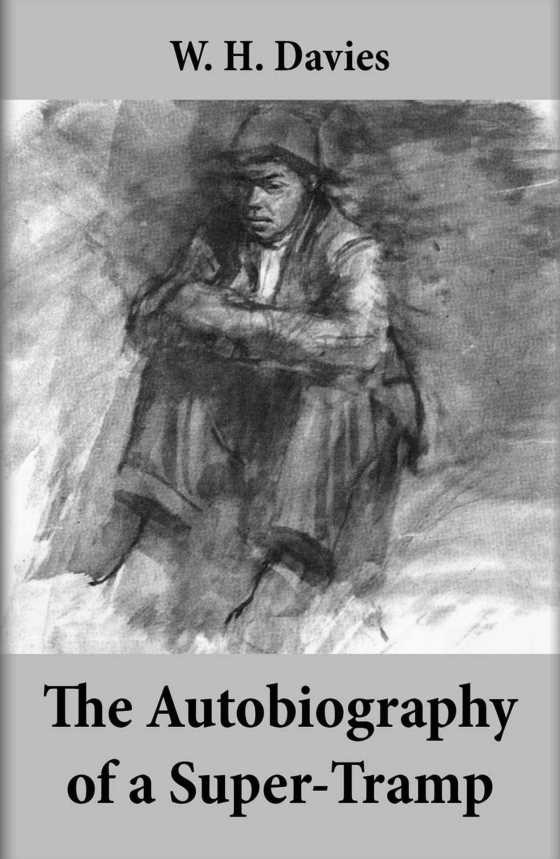
So when i found this book on Amazon it reminded me of Peter Forest and his condemnation of my future and was certainly instrumental in my purchase. I wasn’t disappointed, so thanks Peter.
The strange thing was the timing, as i let the “Infinite Improbability Drive” always select my next book from “The Pile” and it’s only been a couple of books since i finished Into The Wild, about Chris McCandless, AKA, Alexander Supertramp. This book certainly flows nicely on from that. It makes me wonder if Chris had actually read this amongst all the other books mentioned in his story.
William covers his adventures as a tramp during the late 1800’s, where he ventures far and wide. The funniest thing for me was that he was a trustifarian. I had no idea that these creatures existed back in the 1800, but it’s certainly true in William’s case, and he even admits it in the book.
When his grandmother died, instead of willing him her property, which she knew he would squander rather quickly, she instead put it into trust from which he was given an allowance. So off he goes to America, tramping around, living on hand outs and goodwill, while all the time his weekly allowance from his trust fund is being saved up for his return. And he can return at any time, by working cattle ships from Baltimore, and even getting paid while doing so.
Even later on when he gets back the England, he continues to drop out into his tramping lifestyle while his trust fund rebuilds his bank account in order to fund his next adventure. I wonder if William was the original trustifarian, were there others before him?
Without a doubt, a very good inside look into the mind and lifestyle of the typical trustifarian. But, on top of that, it’s a very revealing look into this odd sub-culture of the underclass of the age and the lifestyles they lead and how they managed to support themselves. Although, one can’t really get away from realising that most of these people were simply down where they were due to alcoholism, with every opportunity of spending any penny they managed to accrue on getting drunk always eagerly taken — no, nothing much changes.
Anyways, an enlightening piece of history of the Victorian age seen from a very different view point to the normal history books and biographies.
I enjoyed watching the film, a rarity for me, so when this came up on a Kindle deal for 99p i didn’t hesitate.
After watching the film i was of the mind that Christopher McCandless was a total idiot, as apparently were most of the people who heard the basic story of his demise. But was it fair on him to be portrayed in that way? I wanted to know a bit more.
Jon was the reporter who first brought this story to the world in an article he was asked to write for Outside Magazine. But he knew he hadn’t done the story justice in the time constraints that he’d had to get that article written, so he went back over the whole story and wrote this book.
And this book really does put things into context. One thing the film doesn’t cover is the childhood that Chris and his sister suffered under a domineering, controlling, and oft times abusive, father who demanded excellence all the time, and when Chris found out the truth about his father’s excellence — how Chris and his sister came to be born — i think something really snapped inside him. He just wanted to be free of everything his father represented, to get as far away from it as possible — and having been bought up by a father like that who i had to escape from at 15 years old into my own wilderness, i can’t blame Chris whatsoever for being like he was and doing what he did, in fact, i totally understand.
As to the writing, this story is incredibly well thought out and presented and really does put a lot of Chris’ behaviour and attitude into a much broader perspective than a film could ever hope to get to.
So if you have watched the film then please don’t just stop with that view of Chris, i don’t think that’s fair. Take a little while, read this book and get to see a much wider picture of Chris McCandless.
A most fascinating piece of history, written up by Ernest from the diaries, logs and journals that survived his calamitous attempt at crossing the Antarctic. It seems that if it could have gone wrong, it did go wrong.
There’s that all pervasive, Victorian attitude of bloody minded, arrogant perseverance throughout this book, and it certainly feels that that is all that kept these people alive, but it’s also what got them into the mess in the first place.
Having been beaten to be the first to get to the South Pole by Roald Amundsen, Shackleton decided to turn his sights on being the first to cross the Antarctic. It certainly seems to me that this need to be the first, to always be proving that the British could do something quicker and better than any other nation, caused Shackleton to rush into something he was completely unprepared for. Whereas Amundsen, being Norwegian, was obviously very used to dealing with very cold temperatures, was fully trained with sled dogs and their uses, and set out fully trained and physically fit, Shackleton appears to have just taken the bloody minded, arrogant approach of, We’re British, we know what we’re doing and nothing, not even Nature, can stand in our way. For King and Country. Stiff upper lip. Tally ho! Etc., etc..
I just get the feeling that Shackleton’s attitude was, Let’s just get going, we can’t afford to wait, we can sort it all out when we get there.
While this book is, without a doubt, an incredible testament to the incredible bravery, fortitude and perseverance of humans to survive when pushed well beyond all imaginable limits, it’s also a testament to some incredible stupidity.
Yes, i realise, that that was the zeitgeist: to just keep throwing people, lives and equipment at a problem until it was dealt with. Human life was not held in such high regard back then as it is today. Spending a few years properly planning and training was simply unacceptable when other nations would have no such restraint and do it before us. So one does have to weigh this account in that regard, and when weighted in that light Shackleton did an incredible job, and it’s always so easy to criticise with hindsight. If the weather had been with him those years then what could have been achieved?
Anyway, while we’re on this topic, and if you want to hear more about Antarctic expeditions, the full traverse of Antarctica, solo and unaided, was only recently completed for the first time. Have a listen:
YouTube
This content is blocked because YouTube cookies have not been accepted.
 An absolute delight of a book.

 It was free and i thought that there may have been something in it worth reading.

 A very well written book that’s let down completely by whoever converted it into Kindle format.

 For 99p this grabbed my curiosity. It’s been over 5 1/2 years since i quit smoking, over 2 years since i quit alcohol, but i keep hold of a few nagging little addictions — like too much cocoa/chocolate/coffee and vaping — which i keep trying to rid myself of but keep finding myself back at. So i gave this book a go with an open mind.
 I really enjoyed reading Scott’s earlier book

 My school house master, Peter Forest, who was also my maths teacher, one day stated in front of the whole class that i’d either grow up to be the next Einstein or a tramp, and that he feared it would most probably be the latter. Suffice it to say, i never did get around to doing that degree in theoretical physics.

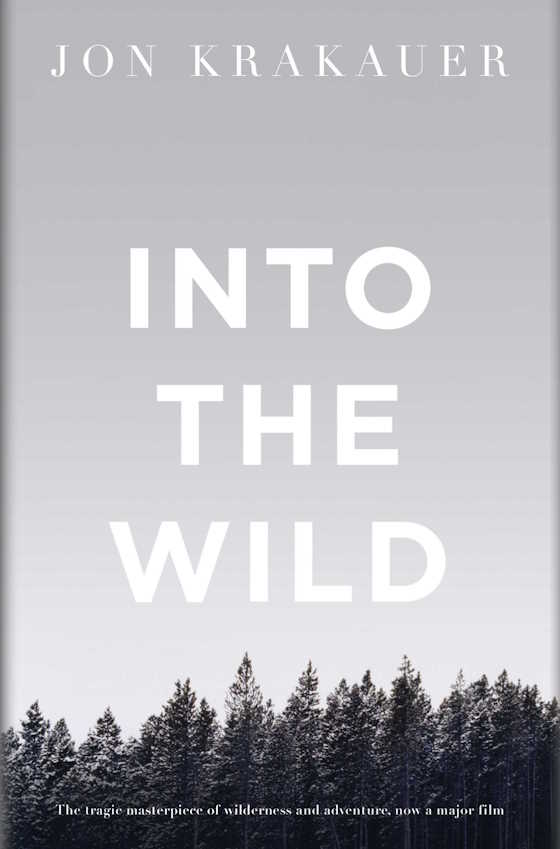 I enjoyed watching the film, a rarity for me, so when this came up on a Kindle deal for 99p i didn’t hesitate.
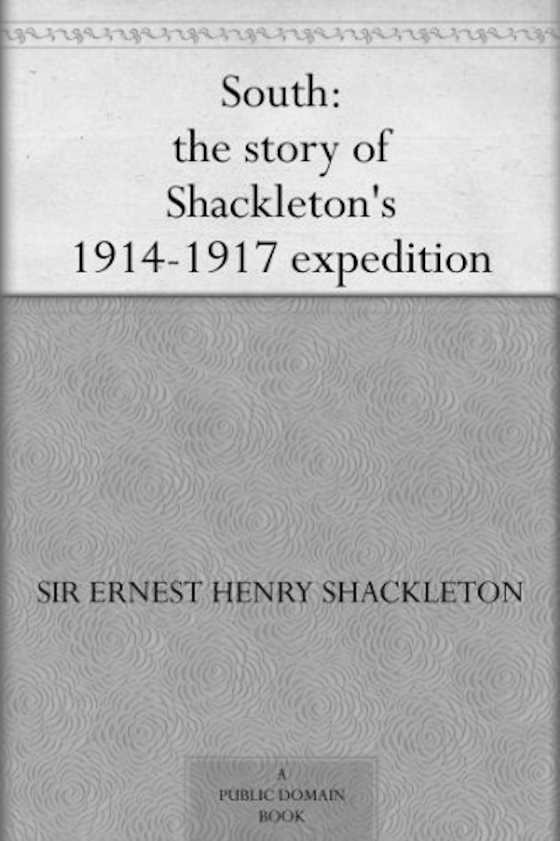 A most fascinating piece of history, written up by Ernest from the diaries, logs and journals that survived his calamitous attempt at crossing the Antarctic. It seems that if it could have gone wrong, it did go wrong.