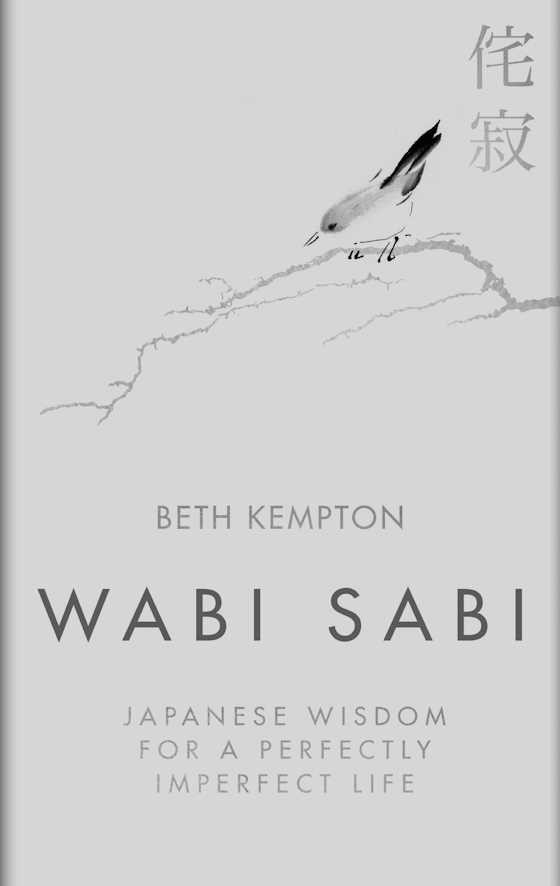
 I really enjoyed Andrew Juniper’s book, Wabi Sabi: The Japanese Art of Impermanence so i thought i’d may as well give Beth’s book a read as well.
However, unlike Andrew’s book, which i seemed to remember focussed more on the actual aesthetics and the Zen side of Wabi Sabi, with Beth’s book we look deeper into the lifestyle and world view of this wonderful concept.
In reading this book you soon become aware that Beth really has done a lot of homework, lifework, career work and academic work on Japan, and she does a wonderful job of bringing another take on the concept of Wabi Sabi to us non-Japanese readers who are always eager to learn more.
When it all boils down to it, it’s essentially a self help book coming from a really interesting angle. There’s plenty of food for thought in here for anyone looking to make their life even a little bit better tomorrow than it was yesterday. I’m fairly certain that everyone could find at least one thing in here to help improve their own lives in a really good way.
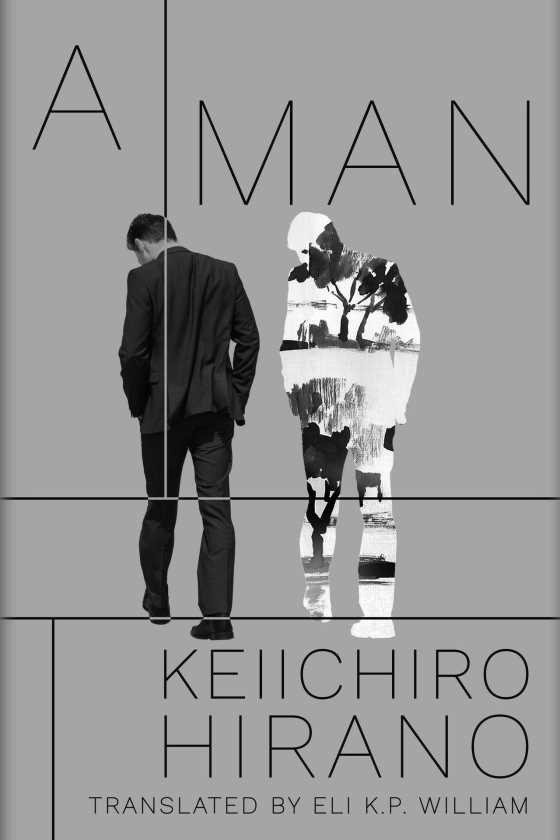 A man dies who isn’t who he claimed to be. Left behind is a wife, daughter and step son of the imposter, and also an ex-girlfriend and the family of the man who he claimed to be.
In steps Kido to figure it all out for everyone, a lawyer whose own life is a bit on the rocks. Kido becomes obsessed tracking down the real Daisuké and figuring out who the imposter really was and why he would do such a thing. And while the tracking goes on through the book Kido begins to question his own life and failing marriage.
In Kido’s searching for the real Daisuké and the imposter’s true identity we are taken on a journey about life itself: who are we really if we can just jump into someone else’s past and assume the rest of their life as our own?